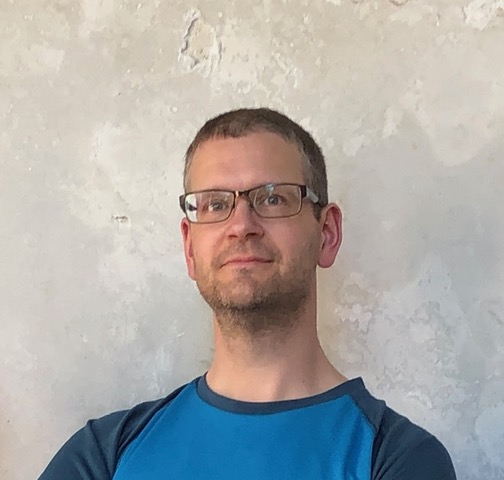
Scientific researchers rely heavily on skills that transcend bench science. Alastair Droop’s expertise in data science, computational biology, and informatics makes him integral to our bioremediation work package, many of whom are also located in York. We shine our spotlight on him to learn more about his role in supporting and training members of the Elemental Hub.
Please introduce yourself and tell us about your specific role or focus within the ELEMENTAL Hub.
My name is Alastair Droop, and I am head of the Data Science Hub in the University of York Technology Facility. This means I get the privilege (I really mean that) of helping very many researchers across a wide array of fields with their data science, computing and statistical analysis problems. My team undertakes a whole load of different analyses and training. In the ELEMENTAL Hub, I’m part of work package 5 with Liz Rylott, but I hope that when there is spare capacity I can help as many different researchers as possible across all the work packages.
What first inspired you to work in environmental biotechnology or metal bioprocessing?
I really like the ELEMENTAL project, as it combines a wide range of different research fields, all the way from deep biochemistry, through microbiology to plant science. I also really like the fact that we can immediately address real-world problems. Although, I was hooked as soon as I found out that Pycnandra has sap that is up to 20% Nickel. Any plant that can do that deserves some attention!
Please briefly describe your current research and how it contributes to the Hub’s mission of sustainable metal recovery, circular economy, or biosensing.
We’re a little different to standard researcher groups, as we’re a technical rather than a research lab. Currently, I’m working alongside several extremely bright scientists (all the way from summer students to PIs) on projects relating to plant transcriptomics. My team are taking raw sequencing data from (mainly) Illumina analyses and generating differential transcript analyses for our researchers to analyse.
What excites you most about working in the field of engineering biology for environmental impact?
This is a field with immediate and worldwide impact. I love the fact that this consortium is looking to address immediate real-world problems.
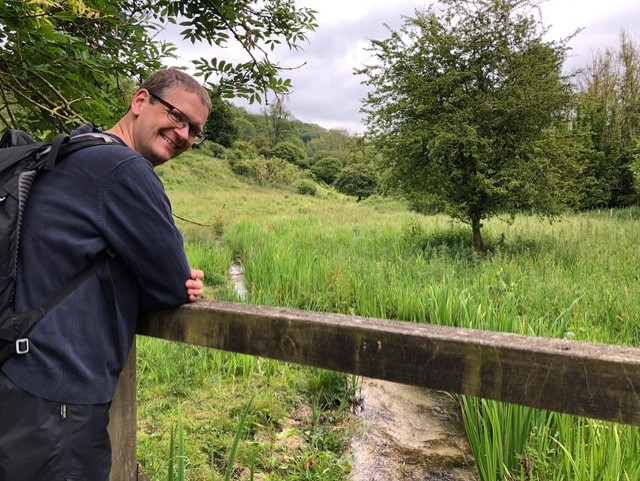
Alastair appreciating flora and fauna.
How has being part of the ELEMENTAL Hub influenced your work or expanded your horizons?
I’ve really enjoyed looking at the development of the TRADIS express technologies within the ELEMENTAL Hub. I think this kind of mixture of wet- and dry-lab shows the power of working across disciplines.
Could you share a recent achievement or milestone, perhaps a publication, presentation, tool development, or outreach, that you’re proud to highlight?
We’ve spent a significant amount of time in the last few years moving our standard data processing to nf-core. Loads of bioinformatics projects can be split into two (almost) distinct parts: the “boring but important” data processing (for example, QC, alignment, BAM creation, and generating lists of differentially expressed transcripts), and then the “fun science” analyses (for example analysis of which transcripts are interesting, or which pathways are differentially represented). Traditionally, bioinformatics spends most time in the boring bits, and less in the interesting science. We’re moving to standardise all our processing using the Nextflow nf.core system. Although this has been a surprising amount of work, we’re very pleased with the results: we’re offering more consistency, faster analysis times, and an easier methods section to our users.
What challenges have you encountered in your work, and how have you overcome them?
There is a running joke in bioinformatics that we have a magic button labelled “do bioinformatics” on the back of our keyboards. Although facetious, there is more than a grain of truth here: people very frequently undervalue the expertise necessary to perform bioinformatics. This often leads to groups not realising the costs that they need to add to grants to pay for bioinformatics and data science. We have spent a couple of years talking closely with our users to help them understand the level of expertise necessary in even basic bioinformatics. This is an ongoing concern across many different disciplines, not just bioscience.
What’s one key insight you’ve gained through your research or participation in the Hub?
Don’t sweat the big things and celebrate the small wins. Also managing a group is hard.
What drives you in your day-to-day research?
I really enjoy helping groups get the most out of their research. I love being able to make their science work better. I’ll also admit that I do really like a well-formatted data table!
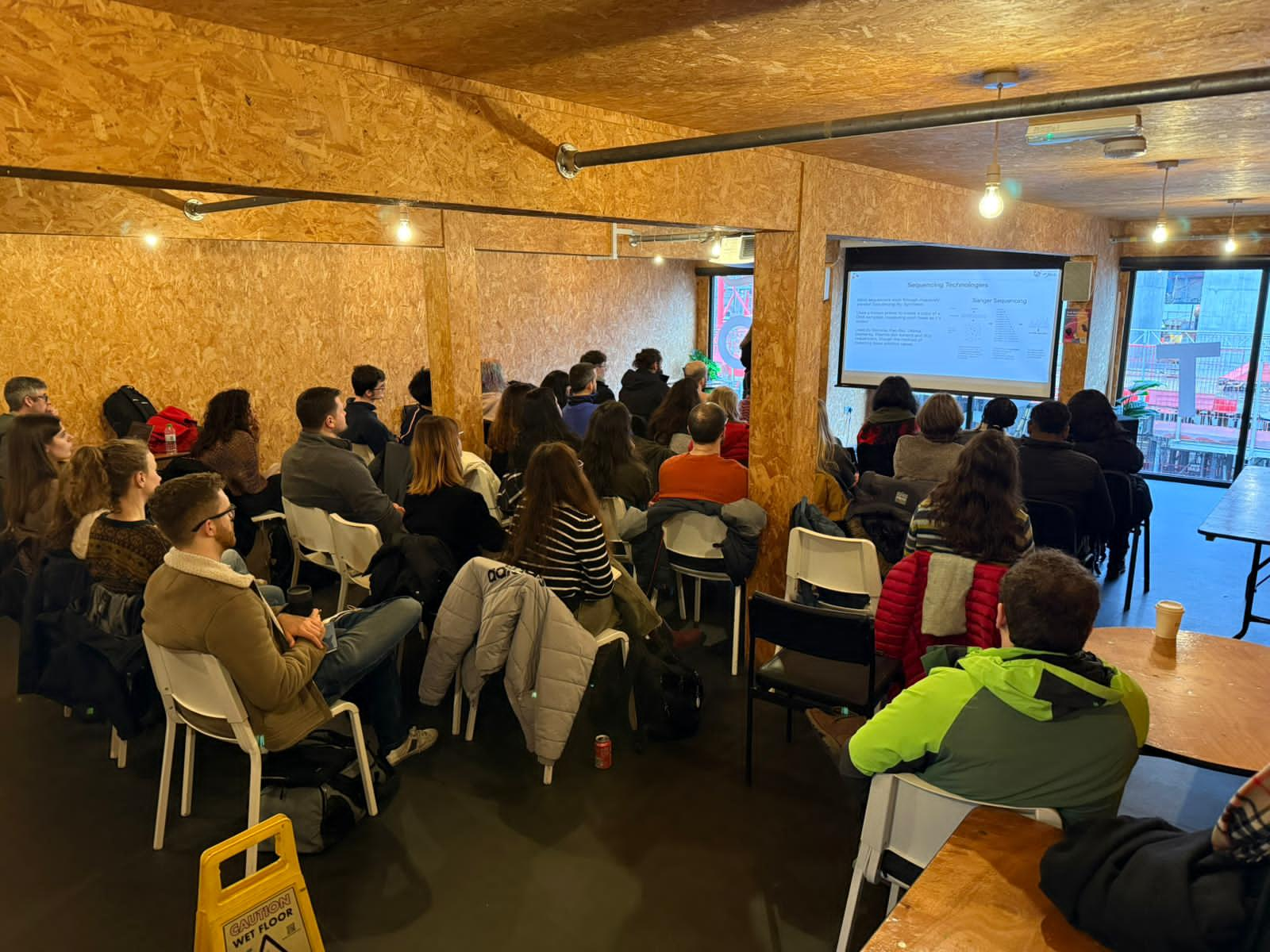
A well-attended and appreciated Transcriptomics training course!**
What are your hopes or predictions for the future of the ELEMENTAL Hub or the field of environmental biotechnology?
This field is going to be big. As we continue to show the power of interdisciplinary working across the Hub, we’ll generate more and more industry interest.
Please share one fun or unexpected thing about yourself that few people know, could be a quirky hobby, playlist, book, or something else.
I worked for a year in forestry between my undergraduate and masters. So, I’m chainsaw qualified to fell small and medium-sized trees up to 15-inch diameter at chest height.
If your work had a “superpower,” what would it be and why?
Understanding how to control your computer using the terminal (as compared to using a mouse) feels like a superpower sometimes!
Alastair shared some lovely nature photos from his recent family holiday in the Texas hill country.
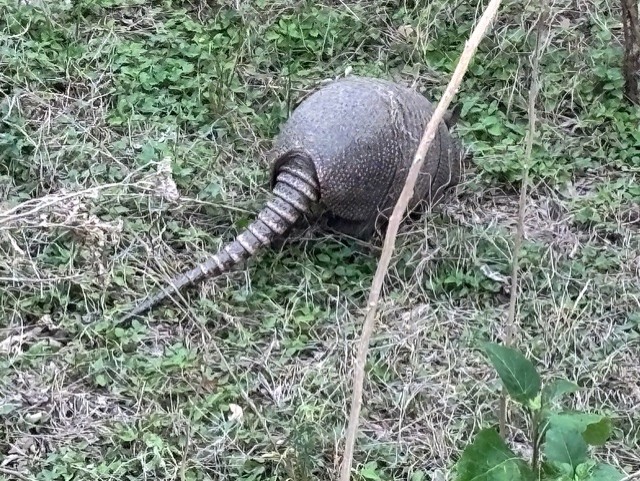
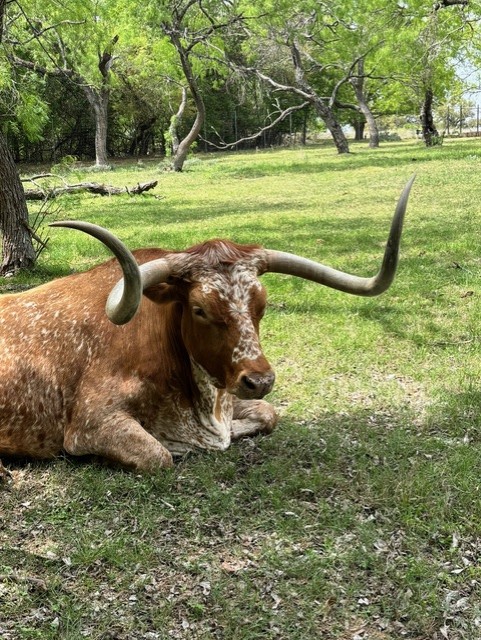
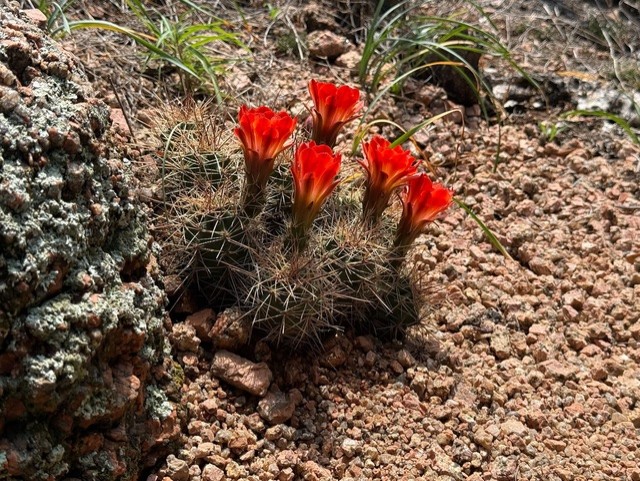
**At our Hub’s second annual meeting in York, Alastair and his York colleague Dr Sally James guided PDRAs and PhD students from our membership through training in RNA-sequencing data analysis at a one-day ‘Transcriptomics Analysis Pipeline Workshop’. The training included core steps such as quality control, trimming, alignment or quantification, differential gene expression, and functional analysis such as pathway and gene ontology enrichment. This was the first of other such planned training courses that will be offered to help our early career researchers to, for example, run, interpret, visualise, and report a complete RNA-seq analysis for themselves. If you would like to contact Alastair or learn more about the Data Science Hub at York University, please click here.