
To achieve real-world impact, biotechnologies must be economically viable, scalable and integrated within industrial supply chains. This is the focus of work package 6 at University College London, where Danting Chen is a postdoctoral researcher in environmental systems and circular economy. In this Member Spotlight, we explore some of Danting’s real world contributions linking scientific innovation to industry, policy and sustainability assessment through comprehensive RRI (Responsible Research and Innovation) practices, especially material flow analysis (MFA) and circular economy strategy development for the biorecovery of critical elements at industrial scale.
Please introduce yourself and explain your specific role or focus within the ELEMENTAL Hub.
I am Danting Chen, a Postdoctoral Research Associate in the Department of Civil, Environmental and Geomatic Engineering at University College London (UCL). Since August 2024, I have been working as a Research Fellow at the Elemental Hub, where my research focuses on material flow analysis of nickel losses and the exploration of metal bioprocessing opportunities from industrial wastes, particularly nickel mine tailings.
What first inspired you to work in environmental biotechnology or metal bioprocessing?
I was inspired by the opportunity to support sustainable resource recovery through material flow analysis, quantifying nickel available for bioprocessing from mining waste and advancing the circular economy.
Can you briefly describe your current research and how it contributes to the Hub’s mission of sustainable metal recovery, circular economy, or biosensing?
My research uses material flow analysis to quantify nickel recovery potential from mining waste through bioprocessing, supporting sustainable metal recovery and providing evidence for circular economy strategies.
What excites you most about working in the field of engineering biology for environmental impact?
What excites me most is combining material flow analysis with engineering biology to identify sustainable metal recovery opportunities, turning mining waste into valuable resources while supporting a circular, low-carbon economy. My research supports evidence-based decisions for sustainable nickel recovery from mining waste.
How has being part of the ELEMENTAL Hub (or other partnerships like mission hubs or UKRI collaborations) influenced your work or expanded your horizons?
Being part of the ELEMENTAL Hub has been transformative for my career as an early-career researcher. The Hub provides a wide range of funding opportunities, networking events, and training workshops that actively encourage collaboration across disciplines and sectors. These opportunities have not only expanded my research horizons but also helped me build an international professional network.
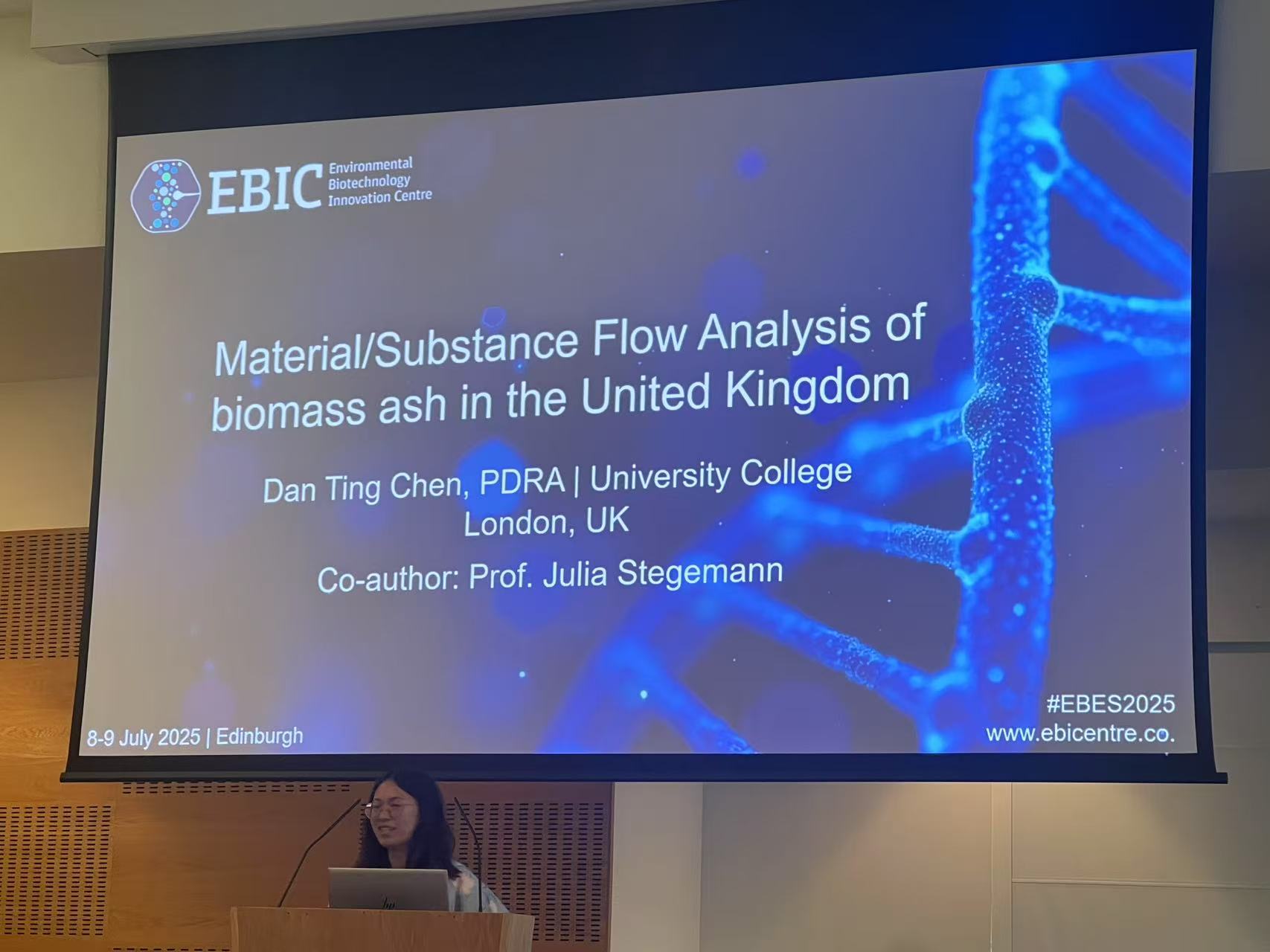
Danting Chen was one of seven PDRAs awarded funding by the Elemental Hub to cover registration fees at the EBIC ECR conference in Edinburgh, where she gave a talk about her research.
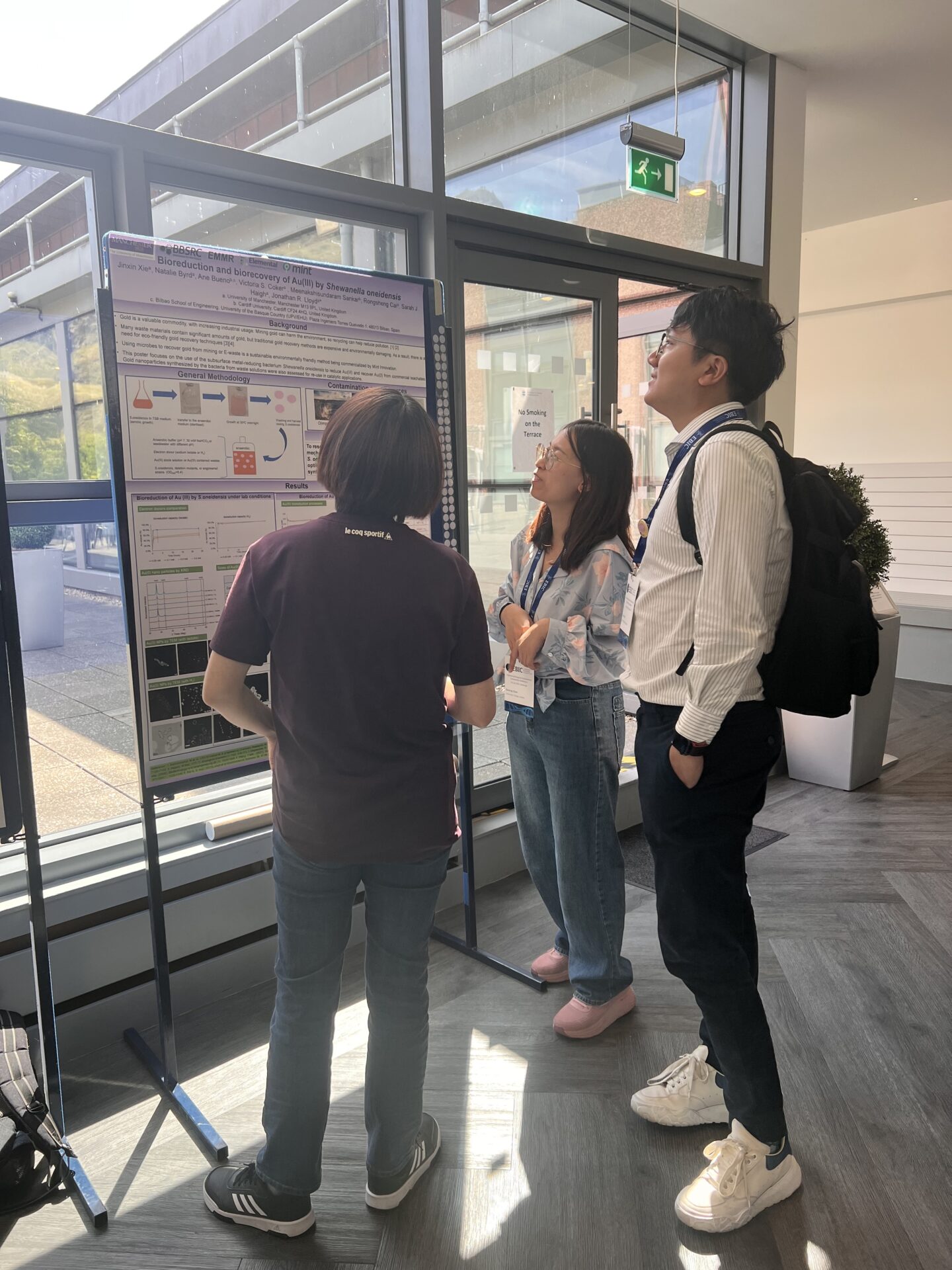
Danting Chen with Jinxin Xie, another Elemental Hub PDRA, discussing posters.
Could you share a recent achievement or milestone, perhaps a publication, presentation, tool development, or outreach, that you’re proud to highlight?
The Hub provided a US–UK travel award that enabled me to visit Professor Brandon Briggs’ laboratory (University of Alaska-Anchorage), where I learned about his group’s cutting-edge biological research, exchanged ideas with his team, and explored opportunities for future collaboration.
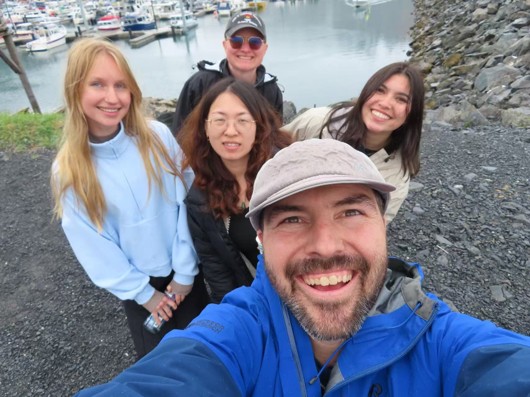
June 2026, fieldtrip with the Briggs lab.
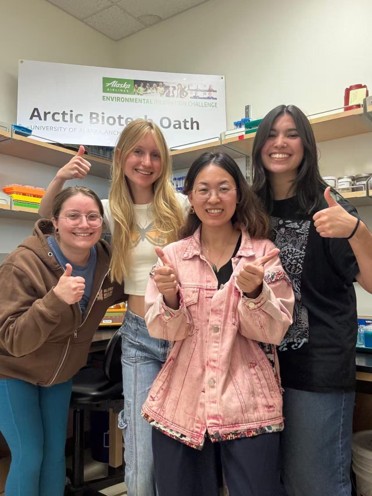
Group photo in Brandon’s research lab.
The trip also included a visit to SGS Lakefield in Canada, where I gained first-hand insights into industrial ore processing and established valuable connections with industry partners. This is me and Julia Stegemann, who leads the Hub’s circular economy work package, learning from Rob Cardwell about SGS Lakefield’s Environmental Testing work.
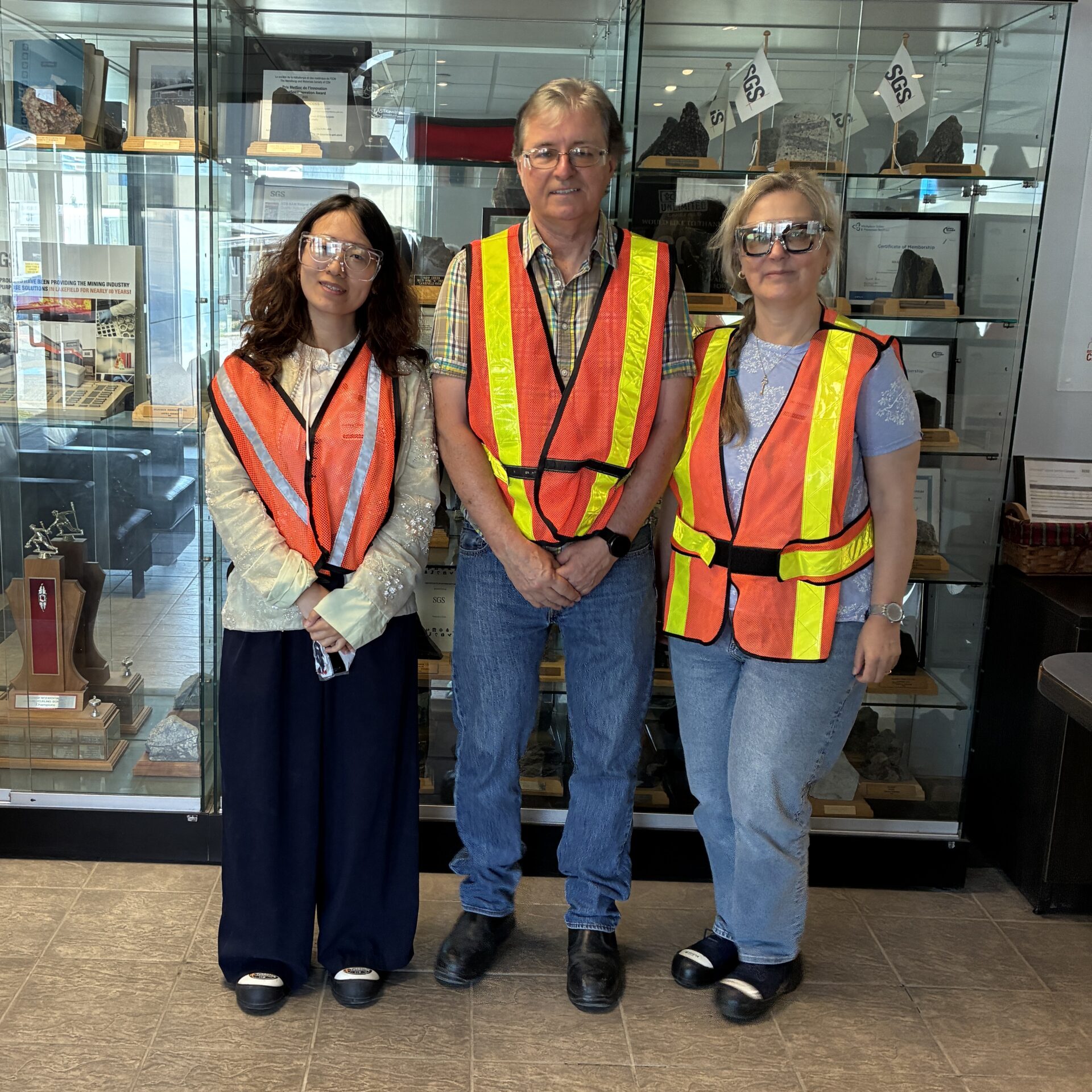
Group photo of Danting Chen, Rob Cardwell, and Julia Stegemann.
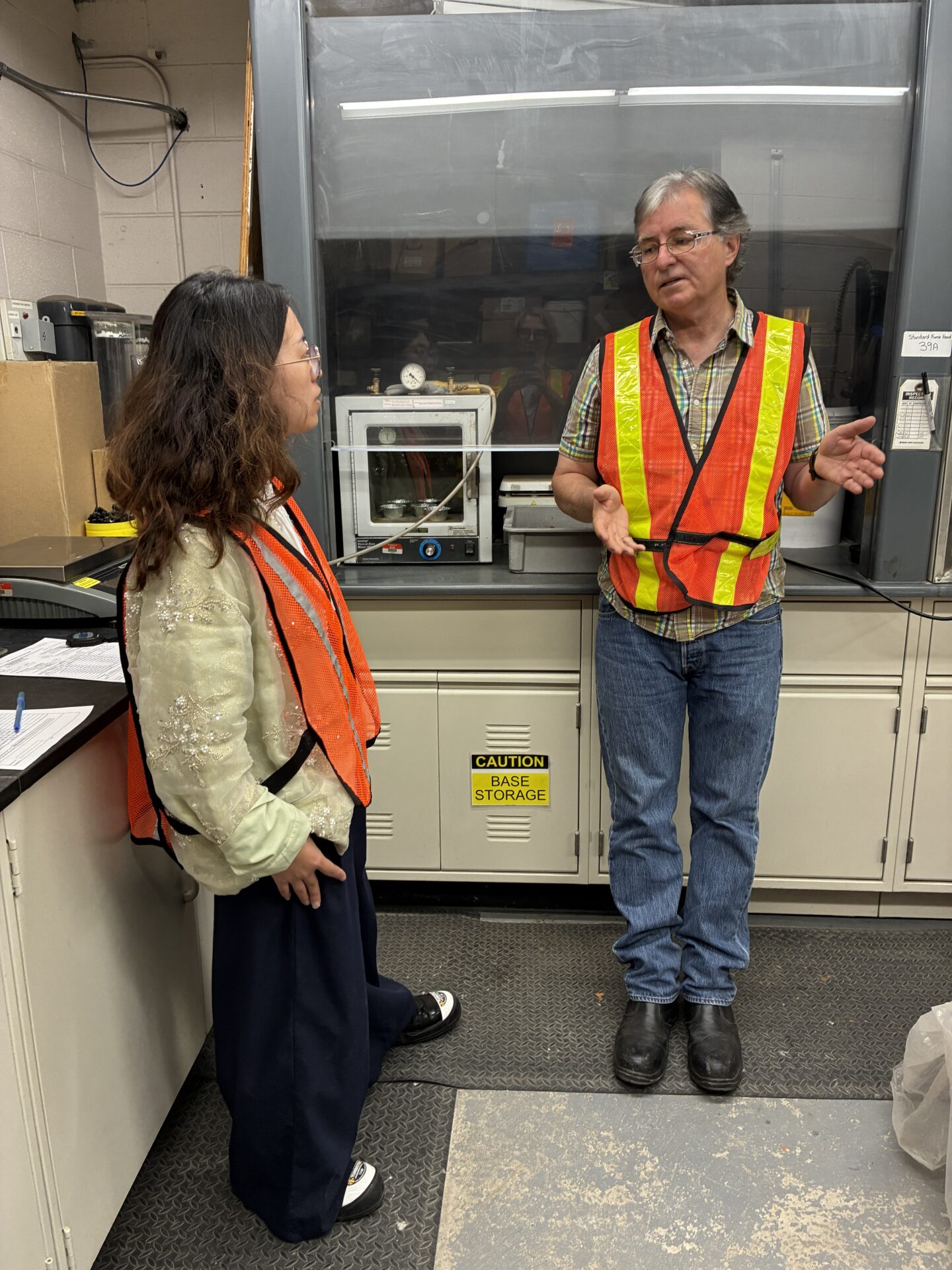
Rob Cardwell, Manager at SGS Lakefield (Canada), explaining the lab work.
I was also invited to attend the UK–US Symposium in Washington, D.C., which provided an excellent opportunity to connect with researchers, industry partners, and policymakers, broadening my understanding of the wider innovation ecosystem. These experiences gave me a much broader perspective on how academic research can translate into real-world applications.
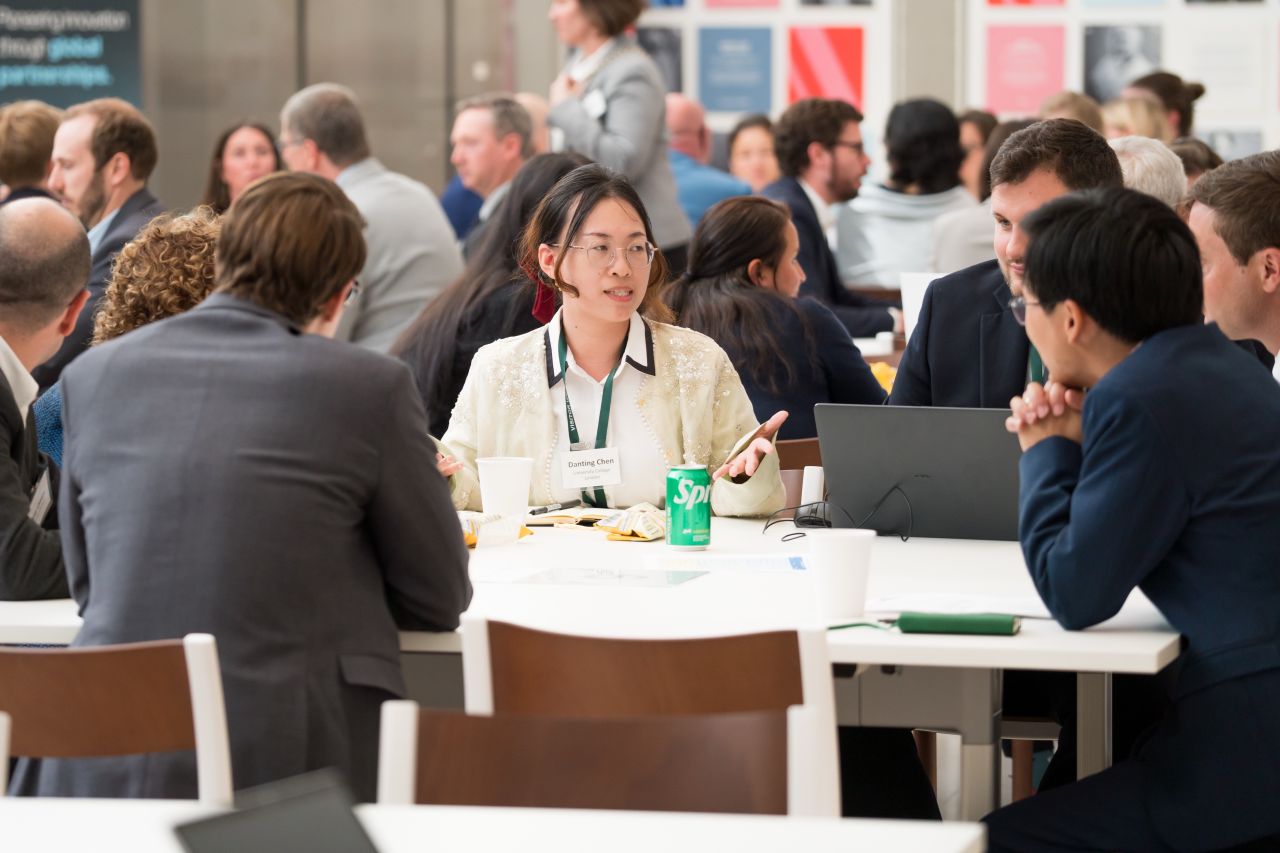
Danting Chen representing Elemental Hub at UK-US Symposium, Washington DC, June 2026.
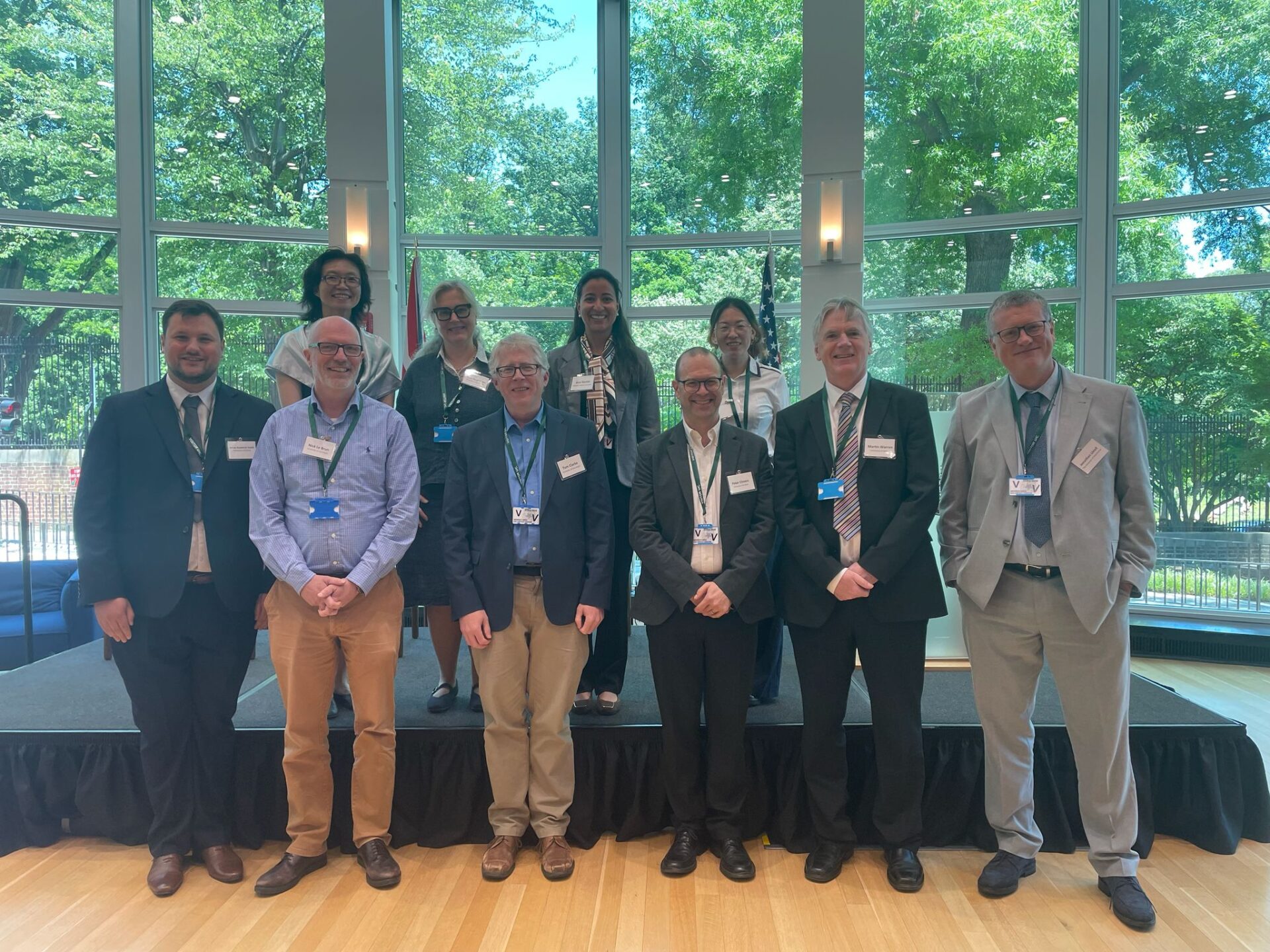
Elemental Hub group photo in DC.
The Hub has also supported my development through an ongoing summer undergraduate research internship scheme, providing funding for me to supervise an undergraduate student for a summer project. This is an invaluable opportunity to develop my leadership and mentoring skills while contributing to the training of the next generation of researchers.
What I appreciate most about the ELEMENTAL Hub is its commitment to investing in early-career researchers. Beyond financial support, it creates meaningful opportunities to build collaborations, gain international experience, engage with industry, and develop skills that are essential for an independent research career. The Hub has had a lasting impact on both my research and my professional development.
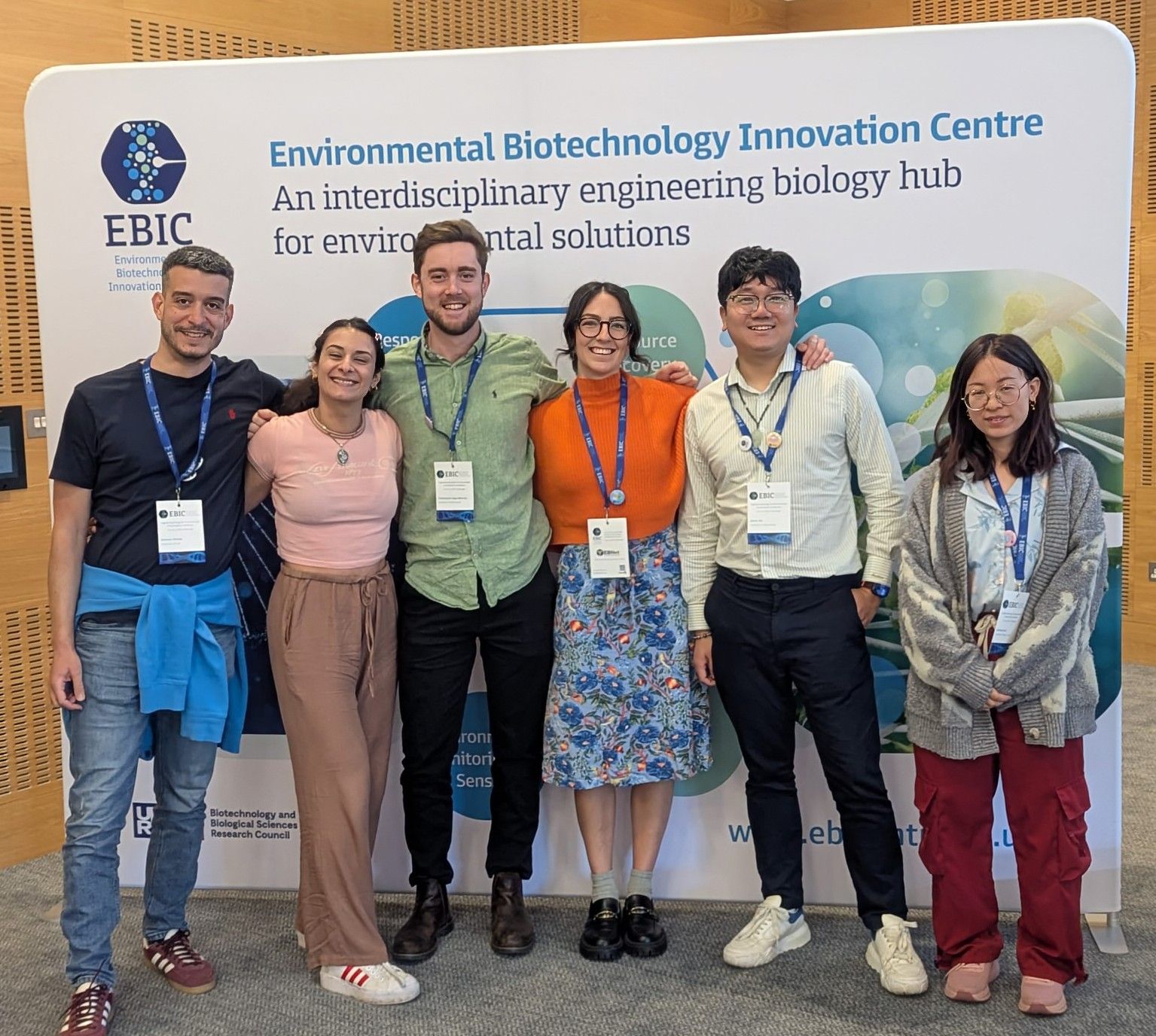
Elemental Hub PDRAs attending 2025 EBIC ECR Conference, Edinburgh.
What’s one key insight or learning you’ve gained through your research or participation in the Hub?
One key insight I’ve gained is the importance of interdisciplinary collaboration. Bringing together expertise from engineering, biology, and industry is essential for developing practical and sustainable solutions for critical metal recovery.
What are your hopes or predictions for the future of the ELEMENTAL Hub or the field of environmental biotechnology?
I hope to see the ELEMENTAL Hub and the field of environmental biotechnology continue to move towards more commercial applications, translating innovative research into practical solutions for sustainable metal recovery and environmental challenges.
Danting Chen’s research focuses on identifying and quantifying the sources, flows, and stocks of target elements such as those in mining and process wastes, WEEE, and contaminated land, using data integration and laboratory analysis (e.g., XRF, ICP, XRD, SEM-EDS). She develops Sankey-based flow models to identify key intervention points for metal recovery and to assess technology and efficiency gaps. In addition, Danting supports the integration of ELEMENTAL biotechnologies with circular economy principles, contributing to system-level process design and stakeholder engagement to align new bioprocesses with sustainable resource management and the regeneration of materials and ecosystems. If you’re interested in collaborating with Danting or would like to learn more about her work, click here to connect and explore her research.