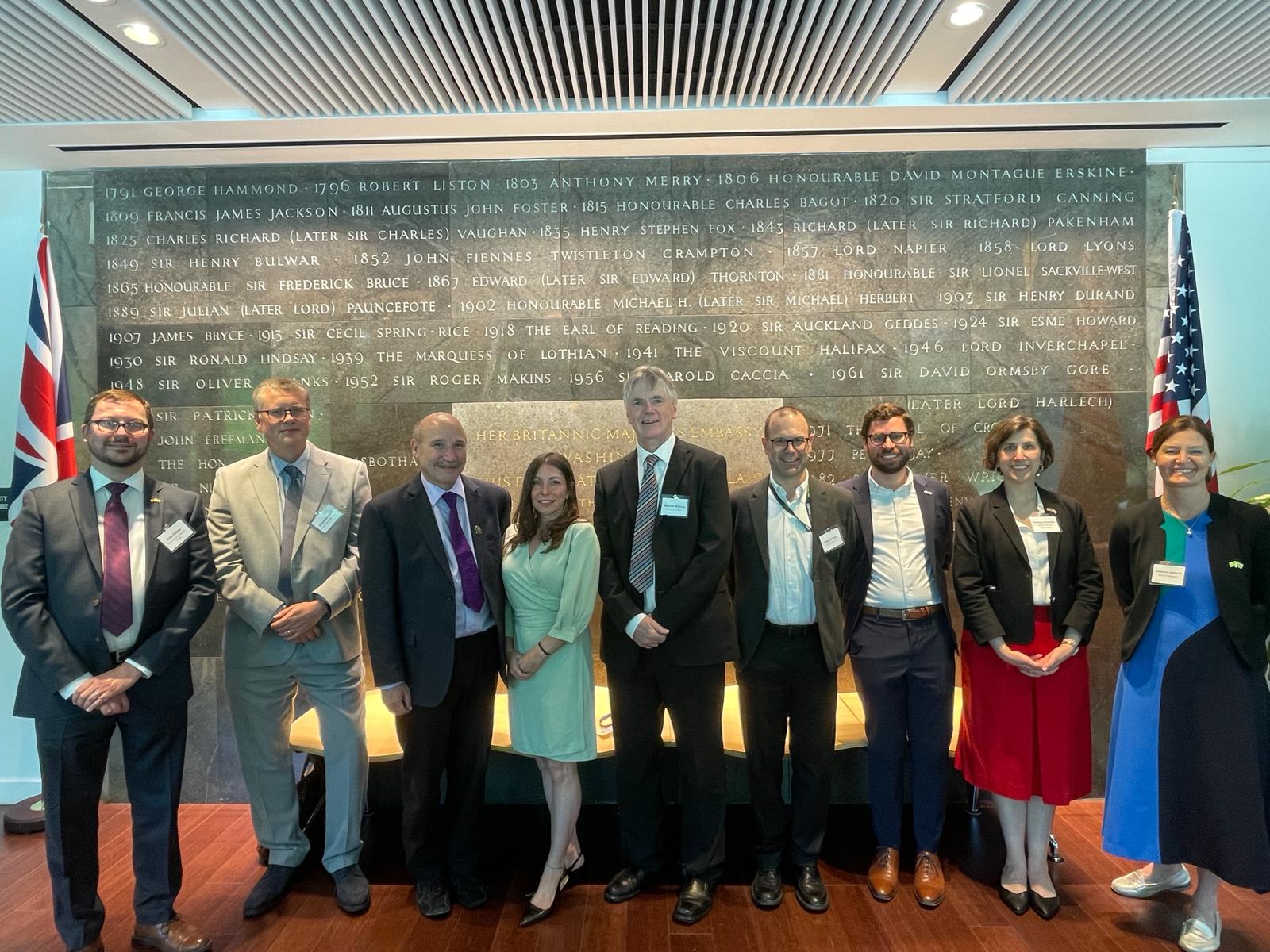
Last week, Elemental was proud to co-organise the UK/U.S. Engineering Biology for Critical Minerals Symposium at the British Embassy in Washington, D.C., bringing together researchers, policymakers, industry representatives, and delivery partners from across the United Kingdom and the United States.
The symposium provided a unique platform to explore how engineering biology can help address some of the most pressing challenges facing critical mineral supply chains. Discussions focused on the opportunities for engineering biology to support the development of innovative technologies for the bioleaching and biorecovery of critical metals, helping to create more resilient, diversified, and sustainable supply chains.
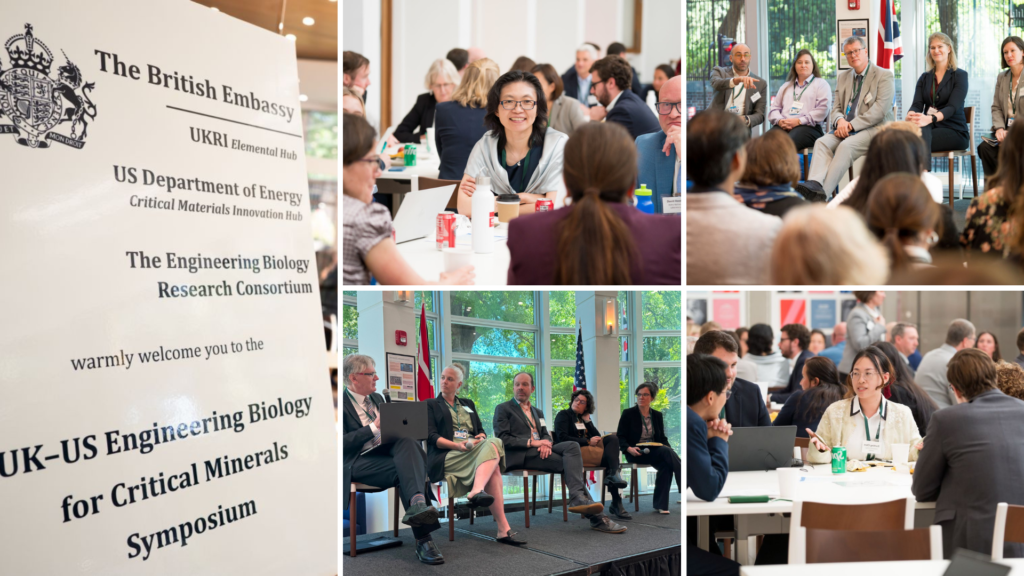
Throughout the day, participants shared insights from across academia, government, and industry, highlighting the strength of existing UK-U.S. research partnerships and identifying opportunities to further strengthen collaboration in this rapidly evolving field. The event demonstrated the value of bringing together expertise from multiple disciplines to accelerate innovation and translate research into real-world impact.
The symposium also underscored the growing importance of international cooperation in addressing global resource challenges. By supporting dialogue between leading experts and stakeholders on both sides of the Atlantic, the event helped identify pathways for future collaboration and knowledge exchange that will support the development and deployment of engineering biology solutions for critical minerals.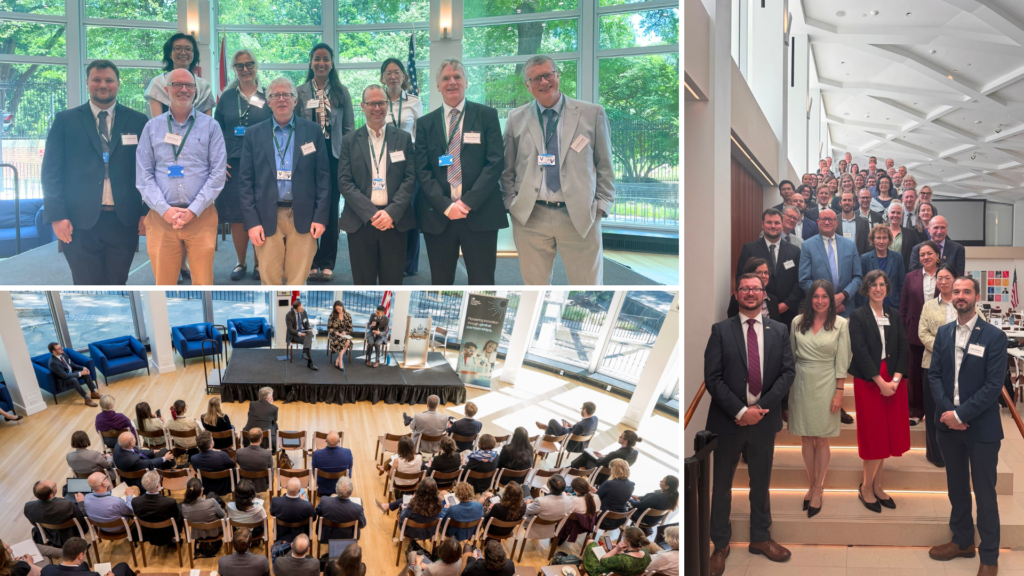
Elemental extends its sincere thanks to the British Embassy Washington for hosting the symposium and bringing together such an engaged and diverse transatlantic community. We are also grateful to all speakers, panellists, and attendees whose contributions made the event a success.
We look forward to building on the connections and discussions established during the symposium and continuing to work with our partners to advance engineering biology approaches that can contribute to a more sustainable and secure critical minerals future.
A joint UK-US report summarising the key discussions, outcomes, and future opportunities identified during the symposium will be published at a later date.