Today we share a spotlight on Dr Elizabeth Watton, a Post-Doctoral Research Associate at the University of Manchester, who is using synthetic biology to advance sustainable metal recovery as part of the ELEMENTAL Mission Hub.
Today we shine a spotlight on Dr Elizabeth Watton, a molecular biologist and biochemist based at the University of Manchester, working within the Cavet Lab as part of the ELEMENTAL Engineering Biology Mission Hub. With a background in bacterial mechanosensitive channels, protein secretion, and metal homeostasis, Elizabeth’s research explores how microorganisms interact with metals in their environment, from essential nutrients to toxic contaminants.
Through her work, Elizabeth is helping to uncover the molecular mechanisms that underpin biological metal handling and is developing innovative synthetic biology approaches to harness these processes for sustainable metal bio-recovery. Her research contributes directly to ELEMENTAL’s mission to enable a circular economy for critical metals and promote environmentally responsible bioprocessing.
Beyond the lab, Elizabeth is an active member of the Hub’s collaborative research community, engaging in cross-disciplinary initiatives that link molecular biology, biogeochemistry, and environmental biotechnology.
Q: To start, could you introduce yourself and tell us a bit about your role within the ELEMENTAL Hub?
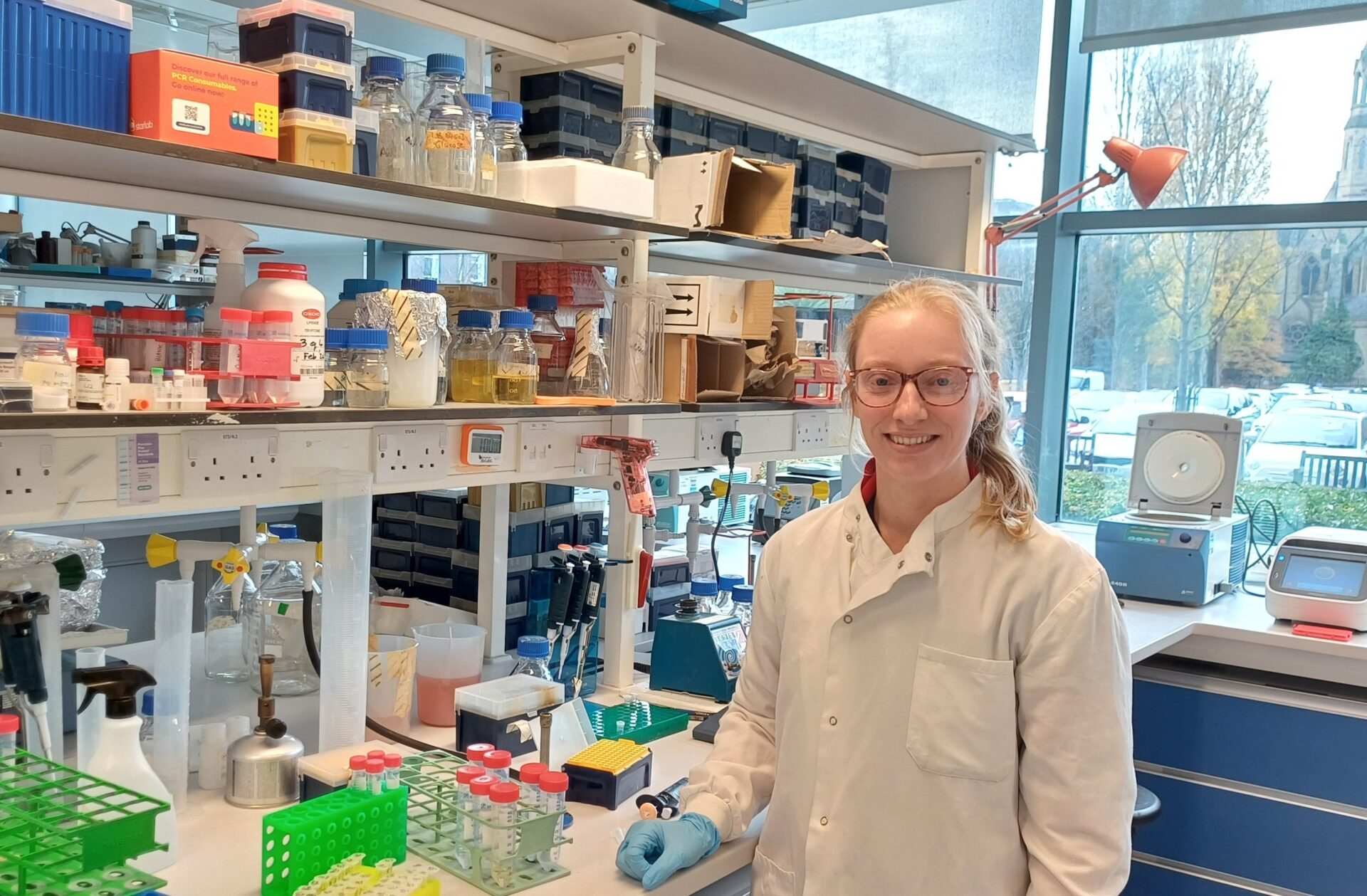
I am Dr Elizabeth Watton, a biochemist and molecular biologist with expertise in bacterial mechanosensitive channels, protein secretion and metal homeostasis. I am a post-doctoral research associate (PDRA) on the ELEMENTAL project in the Cavet lab group at the University of Manchester.
Q:What first inspired you to work in environmental biotechnology or metal bioprocessing?
I was initially inspired by my undergraduate studies in Biochemistry at the University of York. I completed a bio-enterprise group project that combined the application of biotechnology with environmental conservation. In addition to the support from tutors and fellow students, the research experience I gained at York played a key role in shaping my career path towards environmental biotechnology.
Q: Can you briefly describe your current research?
My current research aims to use synthetic biology approaches to harness biological based systems for the bio-recovery of metals from the environment and address challenges posed by environmental contamination and metal scarcity. Thereby, contributing to the Mission Hub’s goals of sustainable metal recovery and promoting a circular economy.
Q: How has being part of the ELEMENTAL Hub influenced your work or expanded your horizons?
I recently had the opportunity to attend the UKRI Engineering Biology Science Showcase, which included poster presentations, networking sessions, and discussions on key challenges and opportunities in implementing synthetic biology technologies. Through these interactions, I developed a greater appreciation of the broader Engineering Biology network and valued the chance to engage with researchers from other Mission Hubs.
Q: Are there any standout collaborations or opportunities you’ve experienced through the Hub?
In conjunction with the ELEMENTAL Mission Hub, the Foreign, Commonwealth and Development office launched short-term exchange programs to foster US-UK Critical Minerals Research partnerships. These are incredible opportunities for researchers, policy makers and industry representatives alike, and I am very excited for all the collaborations that I am involved in over the coming year.
Q: Could you share a recent achievement or milestone that you’re proud to highlight?
Last summer I had the opportunity to visit the United States and present a poster at the Cell Biology of Metals Gordon Research Conference in Portland, Maine. I greatly enjoyed sharing the work we have completed on the ELEMENTAL project, brought back lots of experimental ideas and learned from scientists working at the frontiers of cell biology.
Q: What’s one key insight or learning you’ve gained through your research or participation in the Hub?
A key insight from my own experiences in the Hub has highlighted the importance of the diverse scientific expertise within our ELEMENTAL team. At Manchester, I have had the privilege of collaborating with research groups specialising in molecular biology and geomicrobiology. Drawing on my background in biochemistry has allowed me to integrate these perspectives and enhance my understanding of the metal bio reduction processes that support the Mission Hub’s aim of sustainable metal recovery from contaminated environments.
Q: What are your hopes or predictions for the future of the ELEMENTAL Hub or the field of environmental biotechnology?
The start of autumn marks the end of my first year as a PDRA with the ELEMENTAL Hub. As I reflect over the past 12 months, I have been inspired by many scientists and have been involved in a wide variety of activities within the Mission Hub. Following these experiences, I am optimistic about the future of the environmental biotechnology field and look forward to the development of novel technologies from ELEMENTAL and other UKRI Engineering Biology Mission Hubs in the coming months and years.
Q: Share one fun or unexpected thing about yourself that few people know.
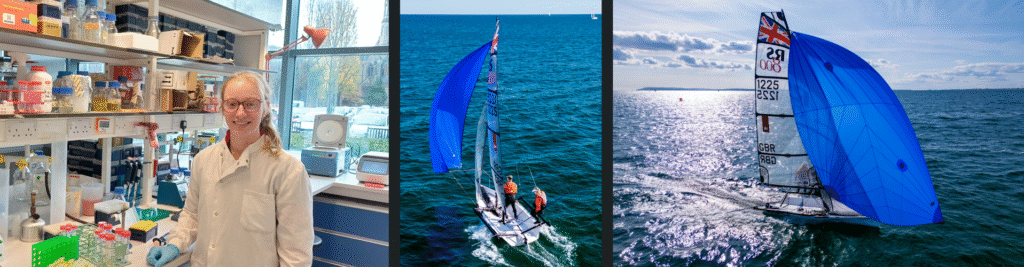
At the end of the week, I hang up the lab coat and go for a sail – there’s no better way to relax and unwind. Photographed by Digital Sailing (www.digitalsailing.co.uk) at Hayling Island, UK.